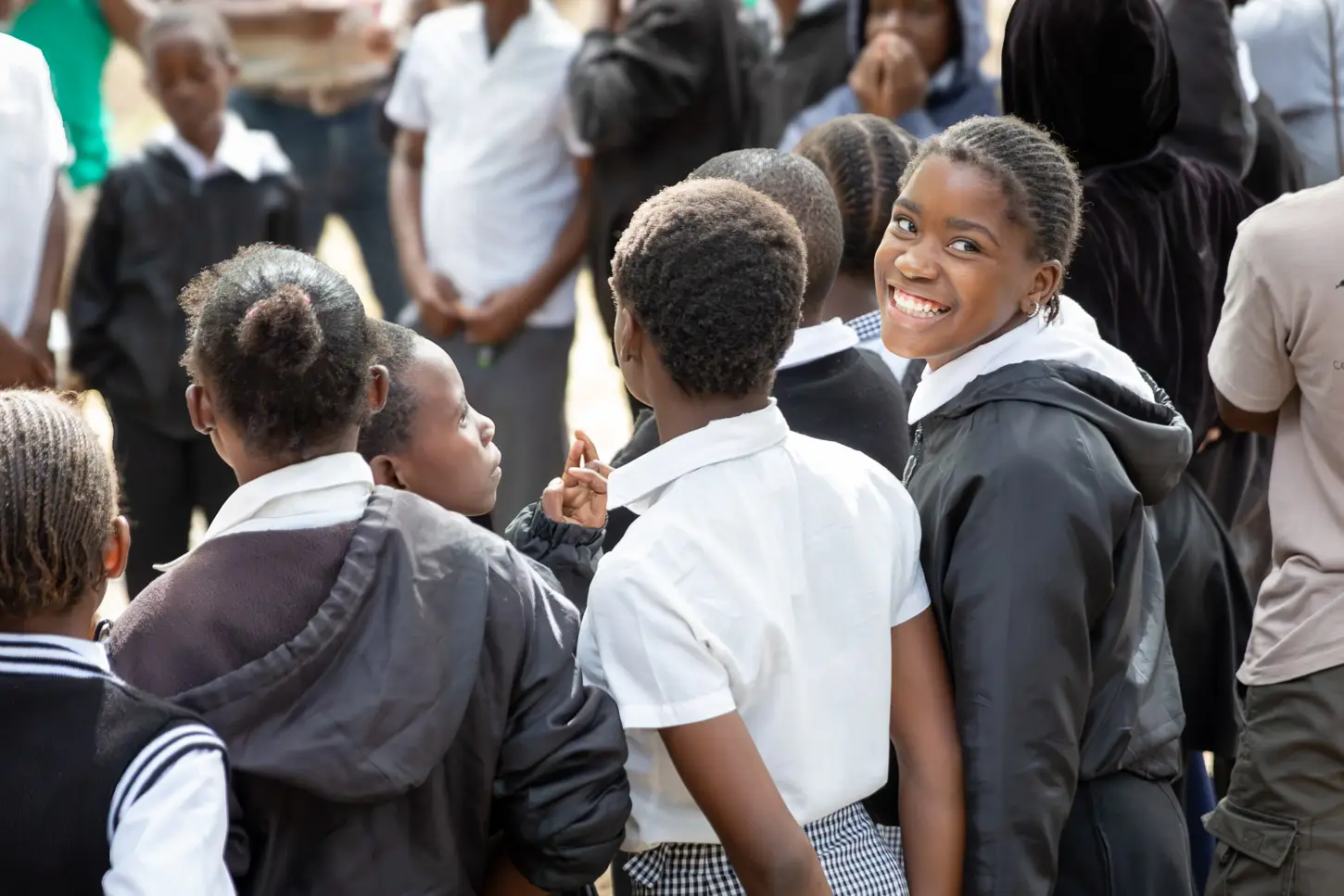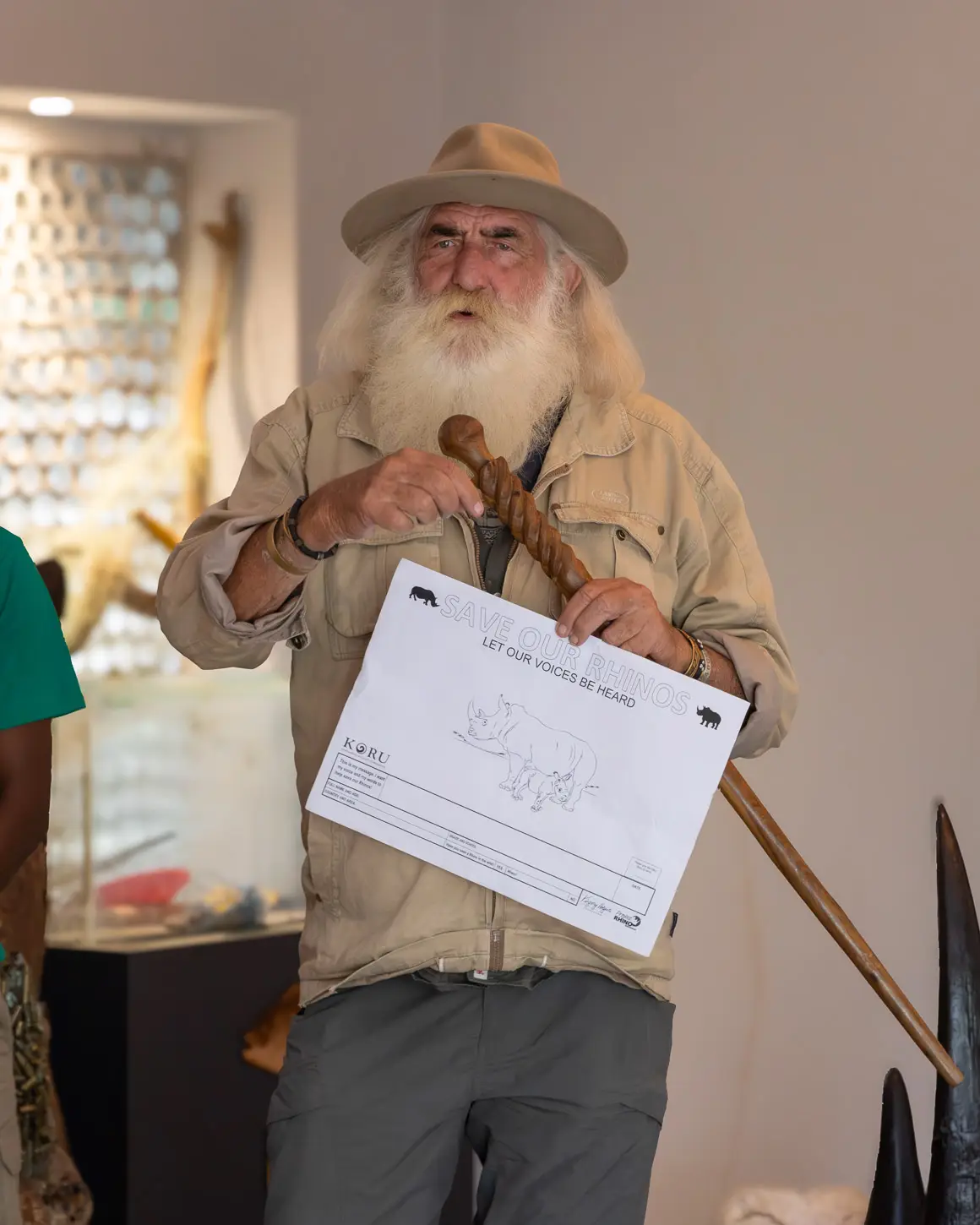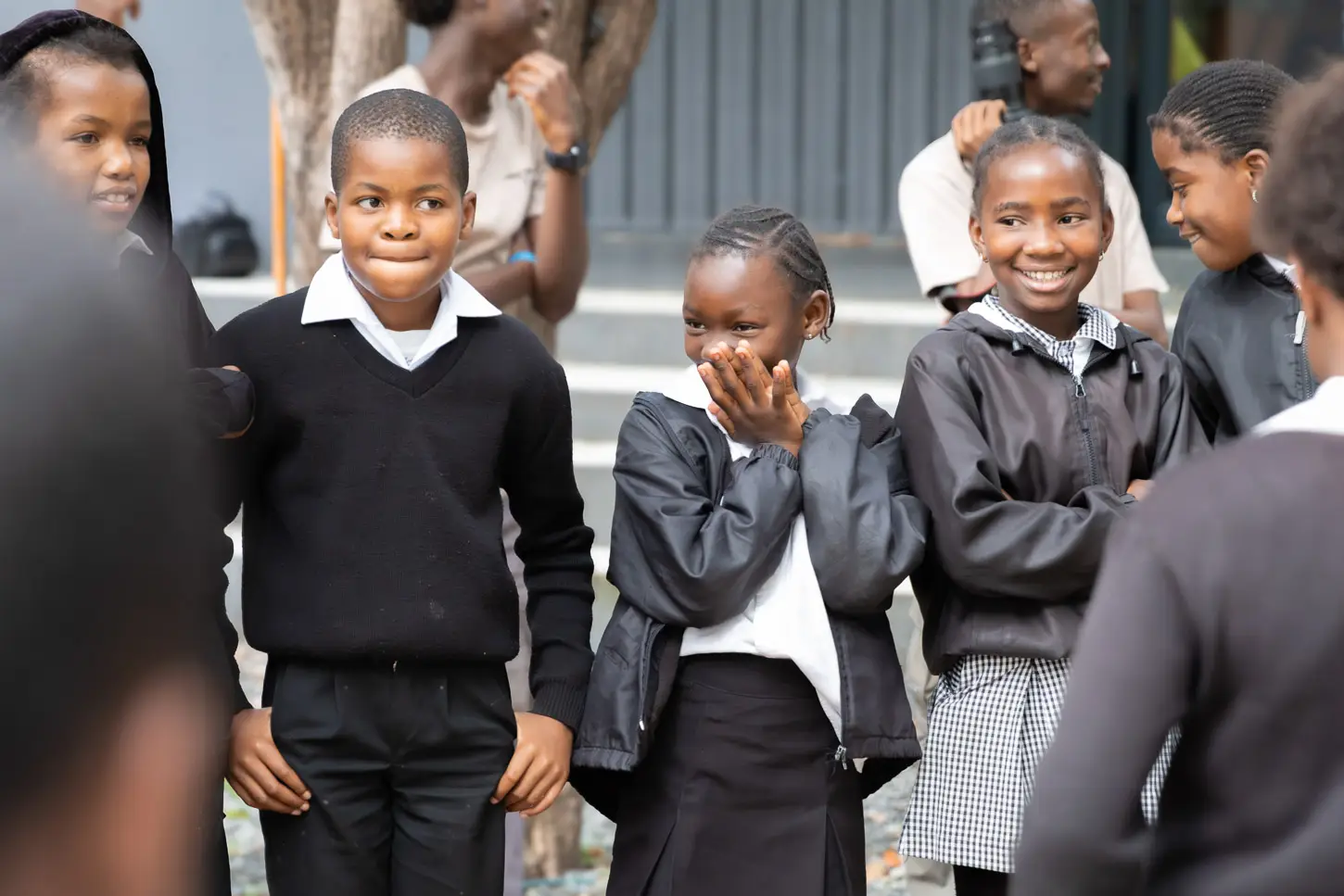
This was Rhino Art – back in Hoedspruit once again, led by the Kingsley Holgate Foundation in collaboration with the Timbavati Foundation and Koru Camp. Unlike our regionwide event last year, this time it was smaller and more intimate, with learners from Beretta Primary School selected to take part at the Timbavati Ecopods. But the scale didn’t matter. The intention was the same – to give young people the chance to share their voices on rhino conservation with the world.
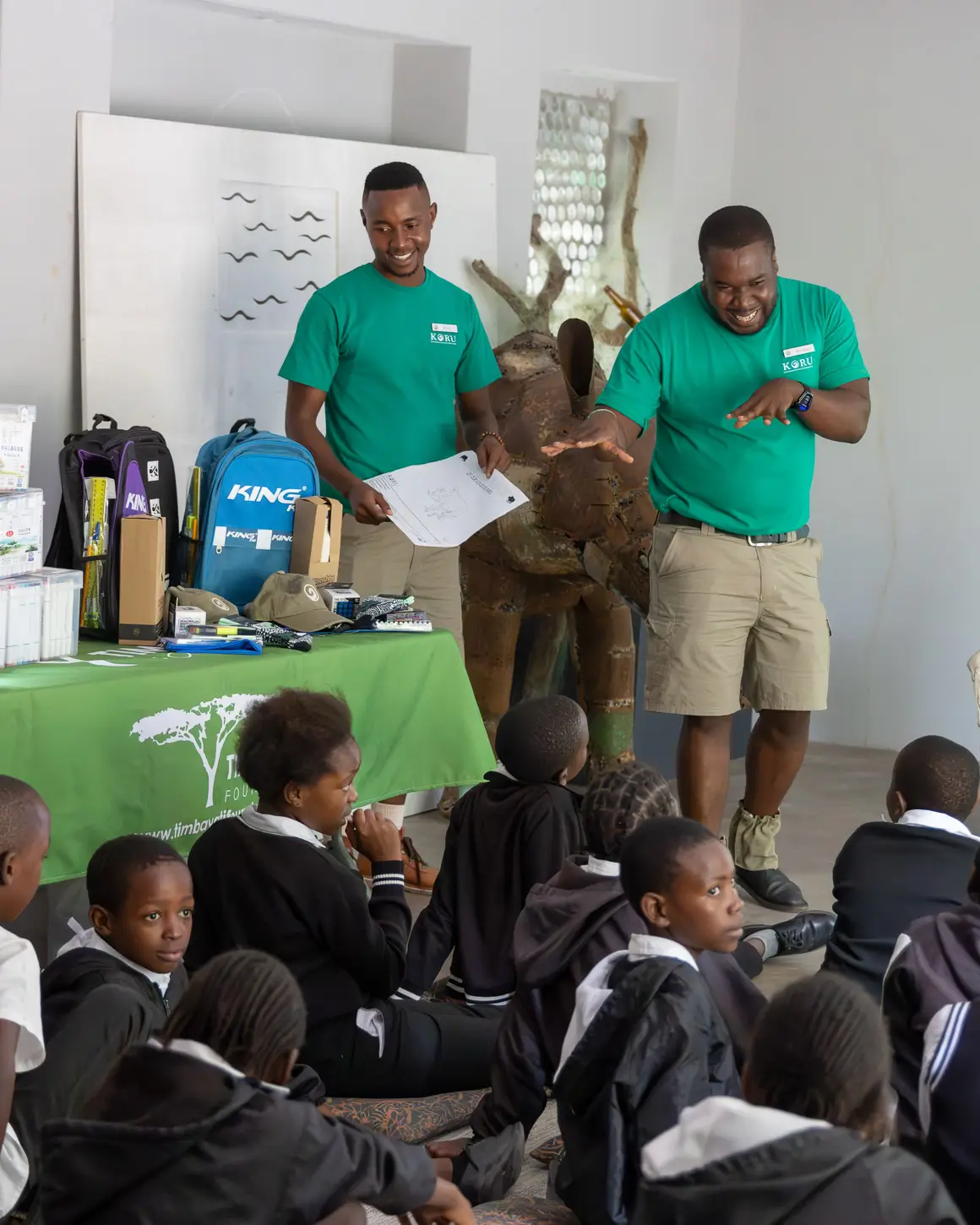
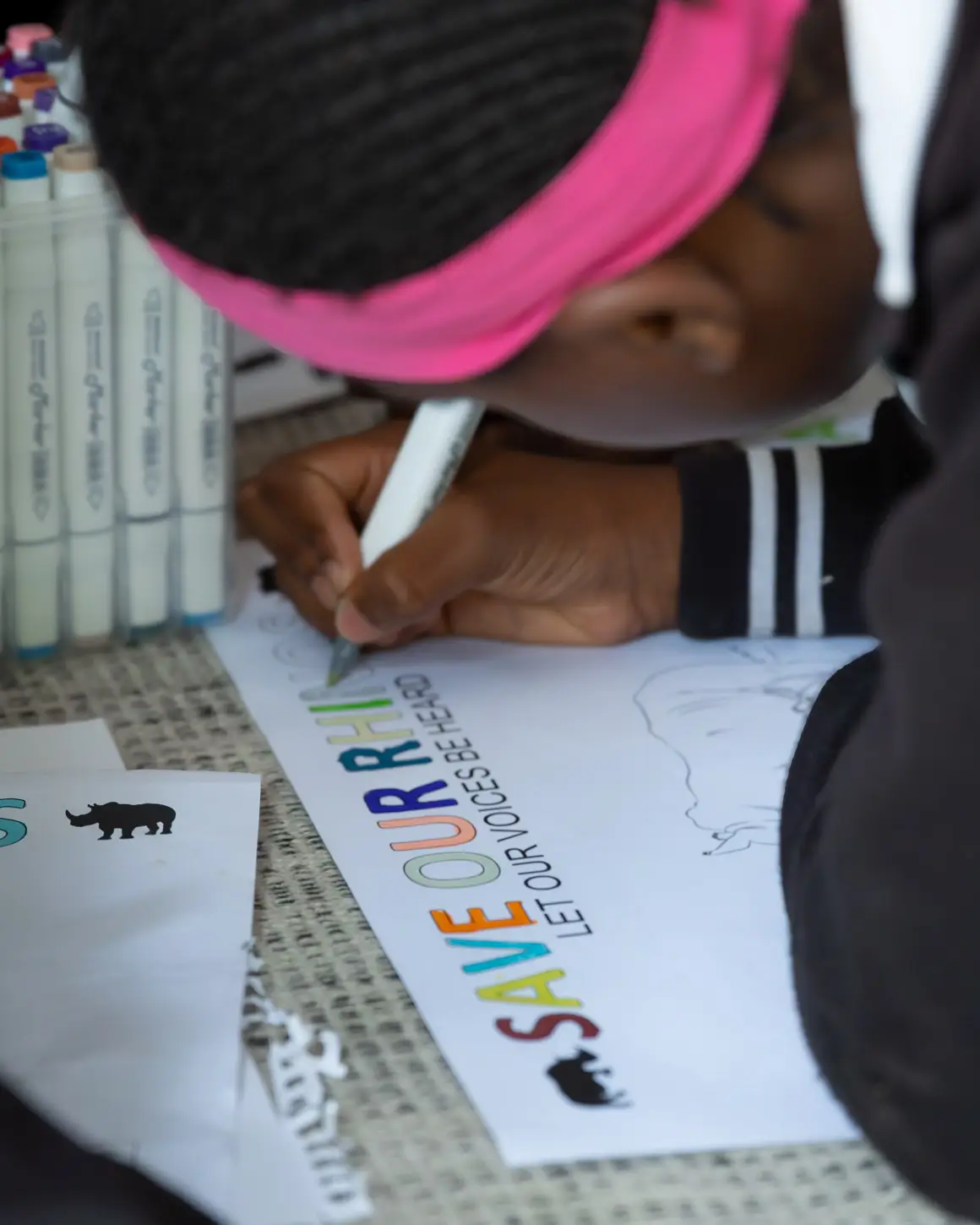
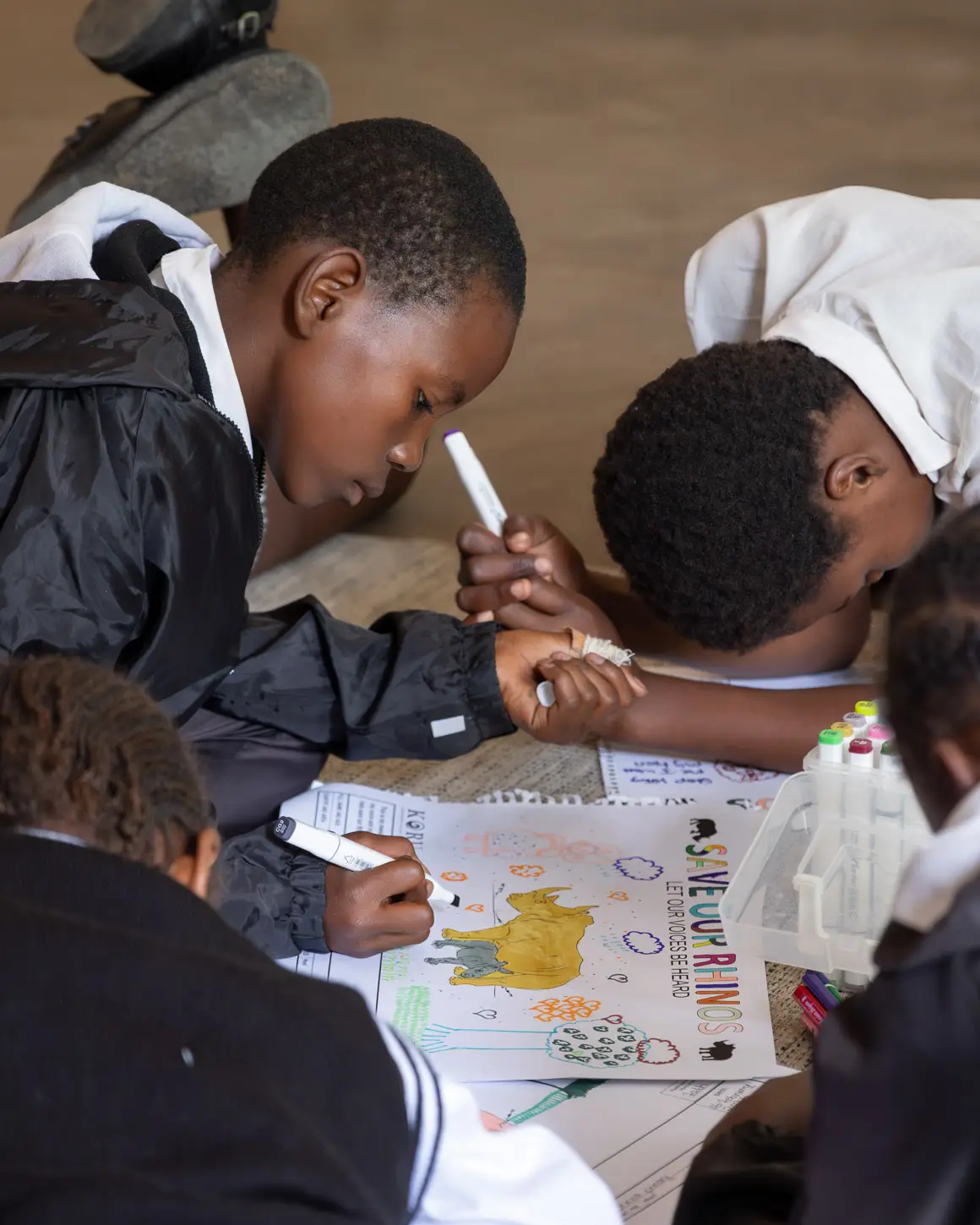
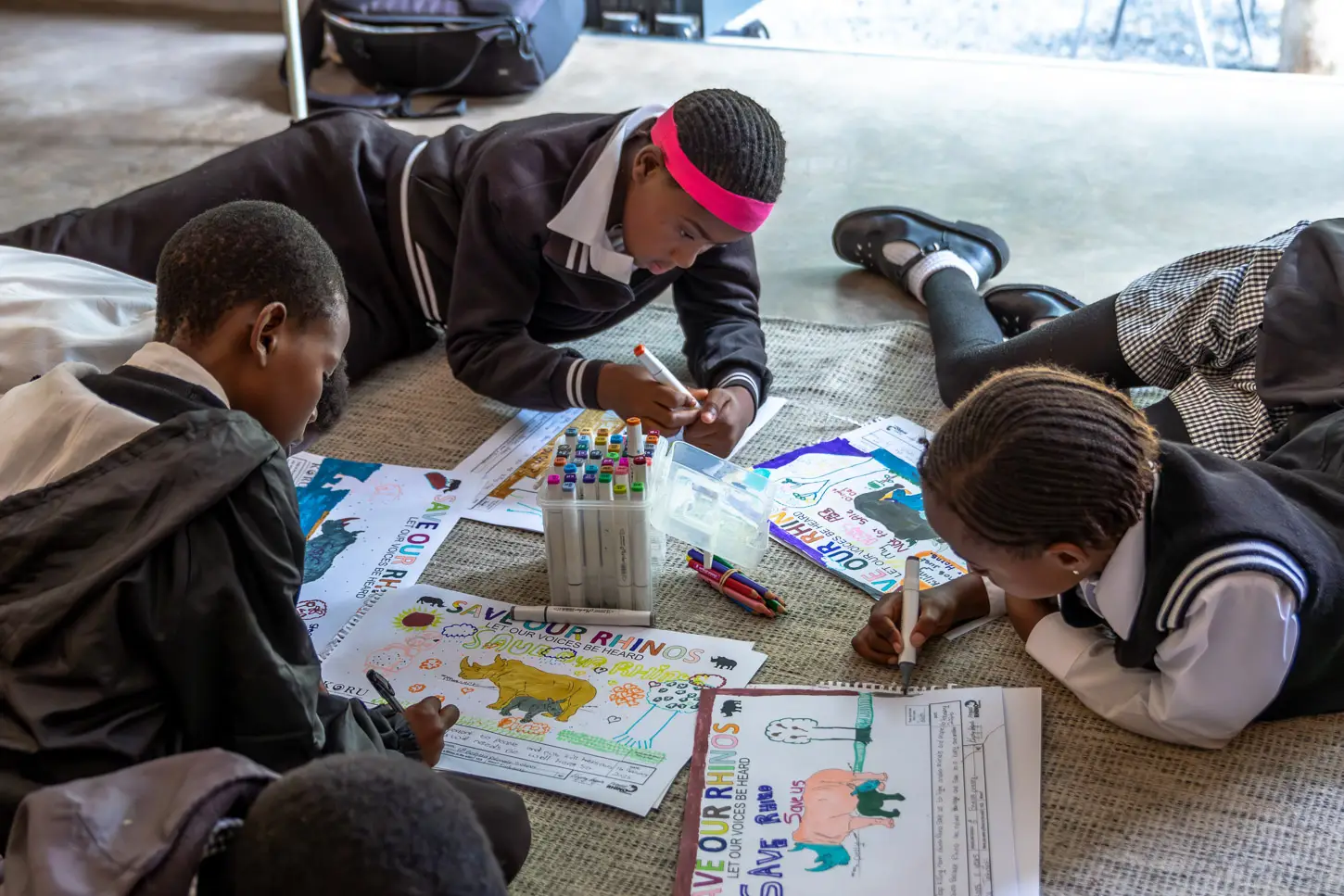
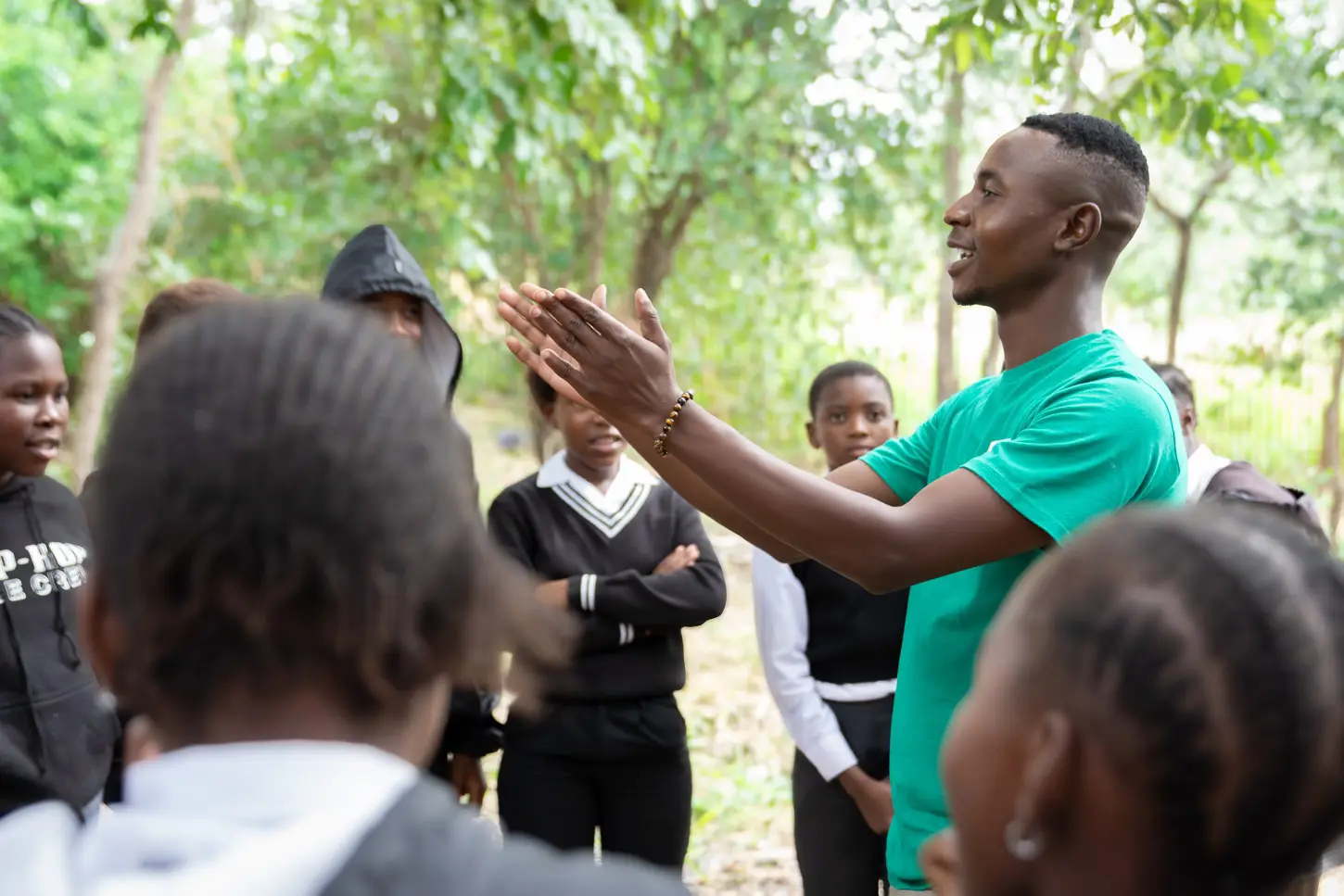
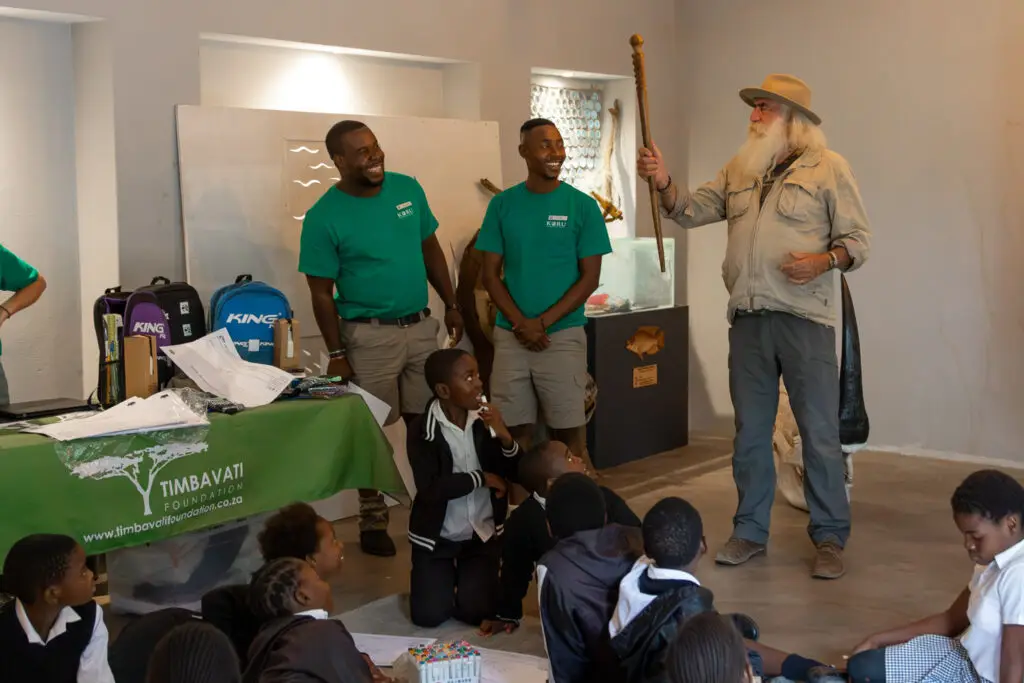
The morning began with Bongani leading an interactive talk about rhinos and the realities of poaching. Questions flowed, and the energy in the room slowly grew. When Kingsley then officially launched the competition, there was no holding back. Each learner received an A3 rhino template and a simple brief to create a poster and write a heartfelt message about rhino poaching. A chance for each learner to be heard.
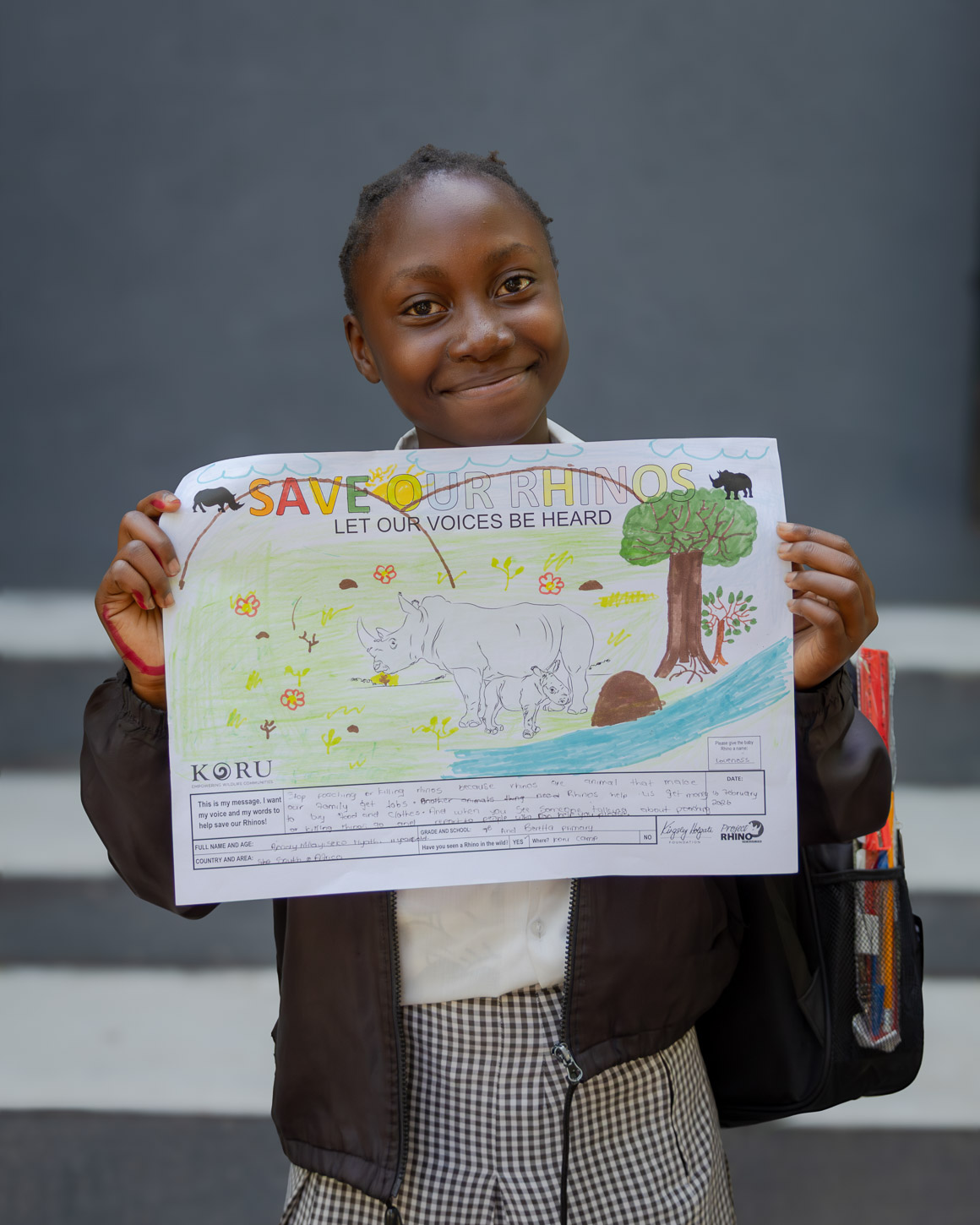
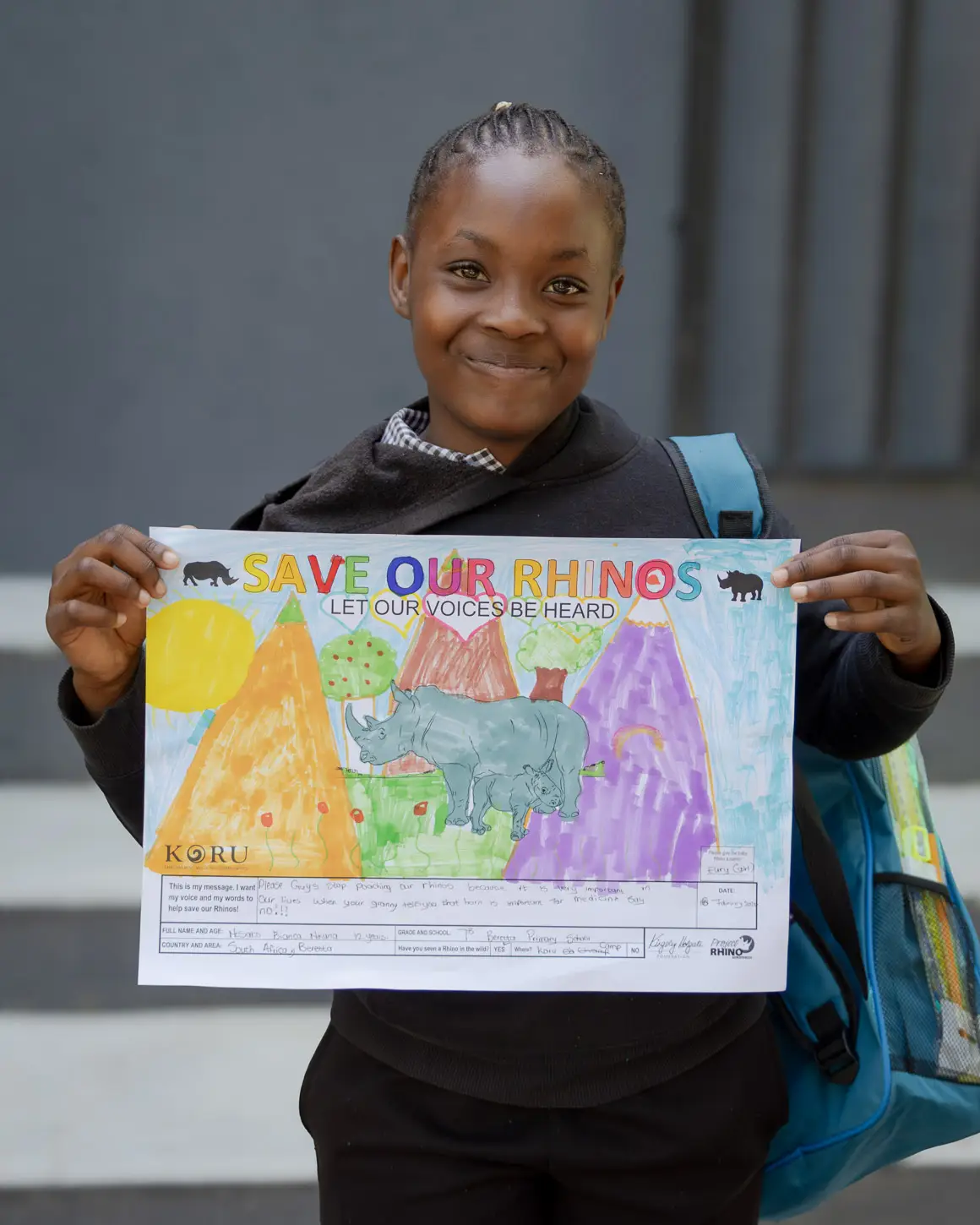
Within minutes, the room was filled with colour and imagination. Some learners created sweeping landscapes of mountains, rivers, and trees. Others focused on bold lettering and powerful statements. As the posters took shape, their words began to shine through.
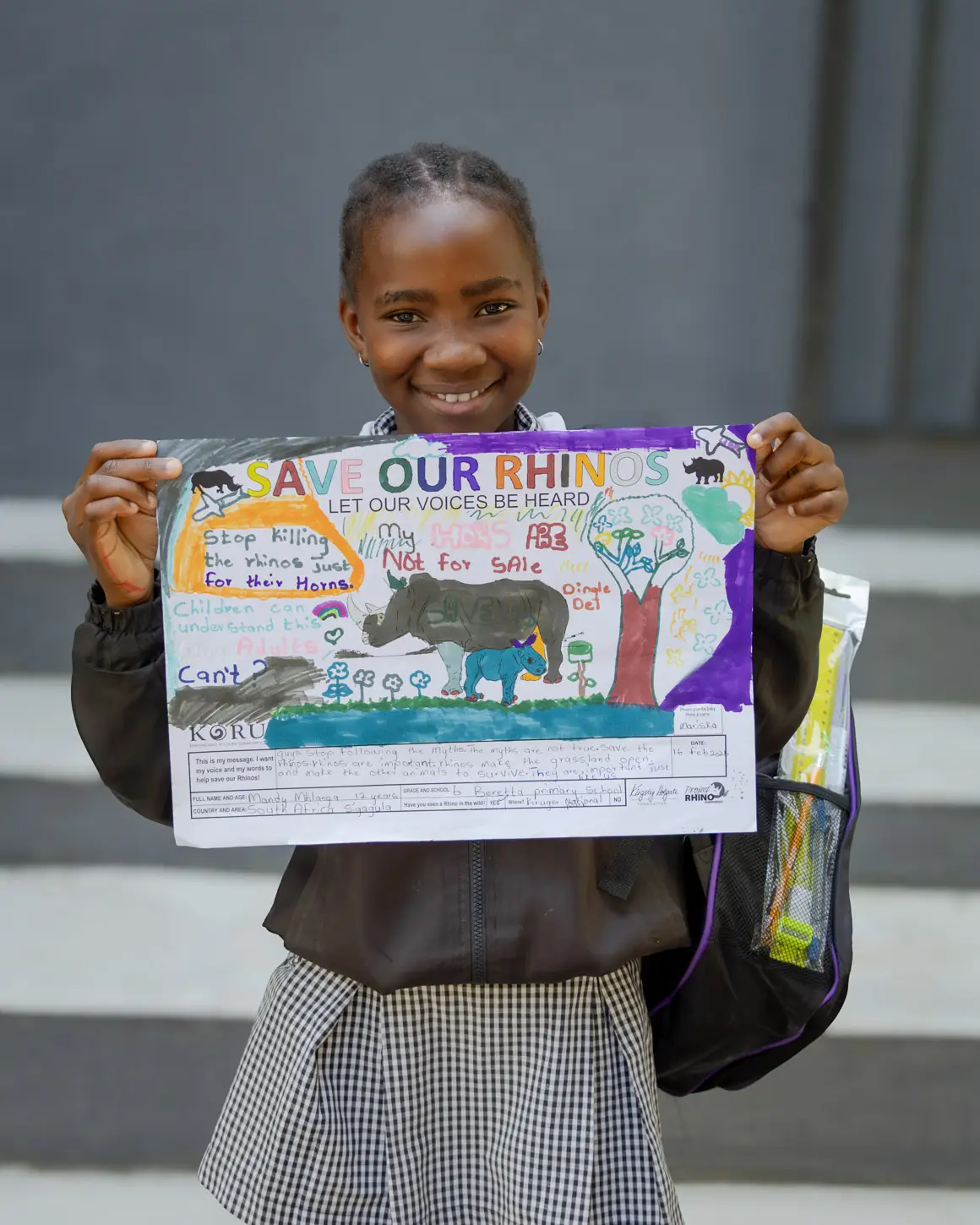
“When you granny tells you that (rhinos) are important for medicine, say NO!” read one. Whilst some carried simple, urgent statements such as “Not for sale” and “Stop killing our rhinos”, others highlighted the connection between conservation and livelihoods, encouraging people to report poaching and protect wildlife for the benefit of their communities.
Finally, in a particularly poignant message, one child asked “Children can understand this, why can’t adults?”. An honest reflection that shows just how capable young people truly are; able to think deeply about a difficult topic and call on those in charge – the adults – to do better.
While Kingsley and his team stepped away to judge the artwork, the learning didn’t stop. Koki and Bongani led a fast-paced conservation game, turning the waiting time into another opportunity to learn through play. Laughter replaced the earlier silence as the outdoor space filled with movement and excitement – a learning approach at the heart of Koru Camp.
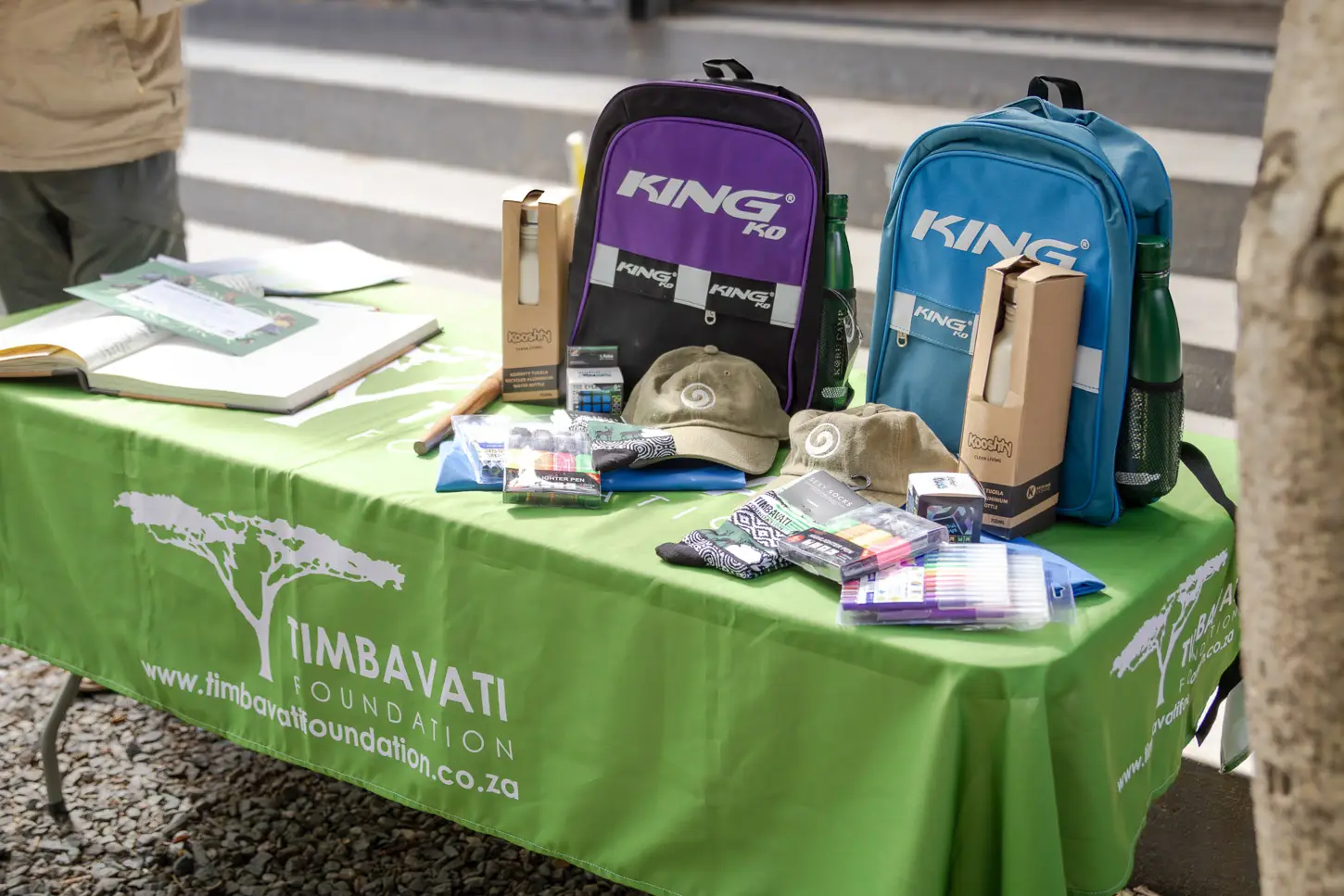
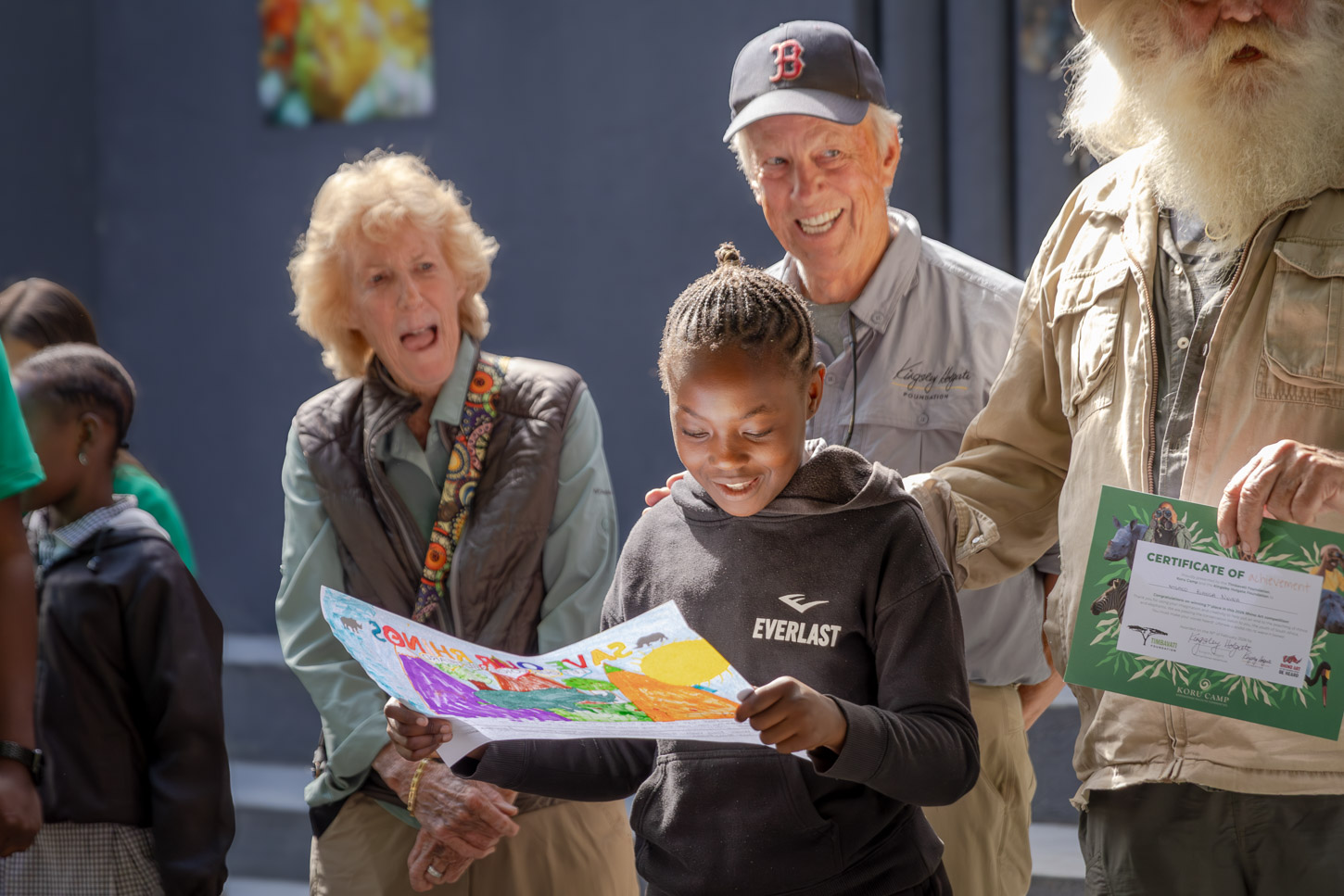
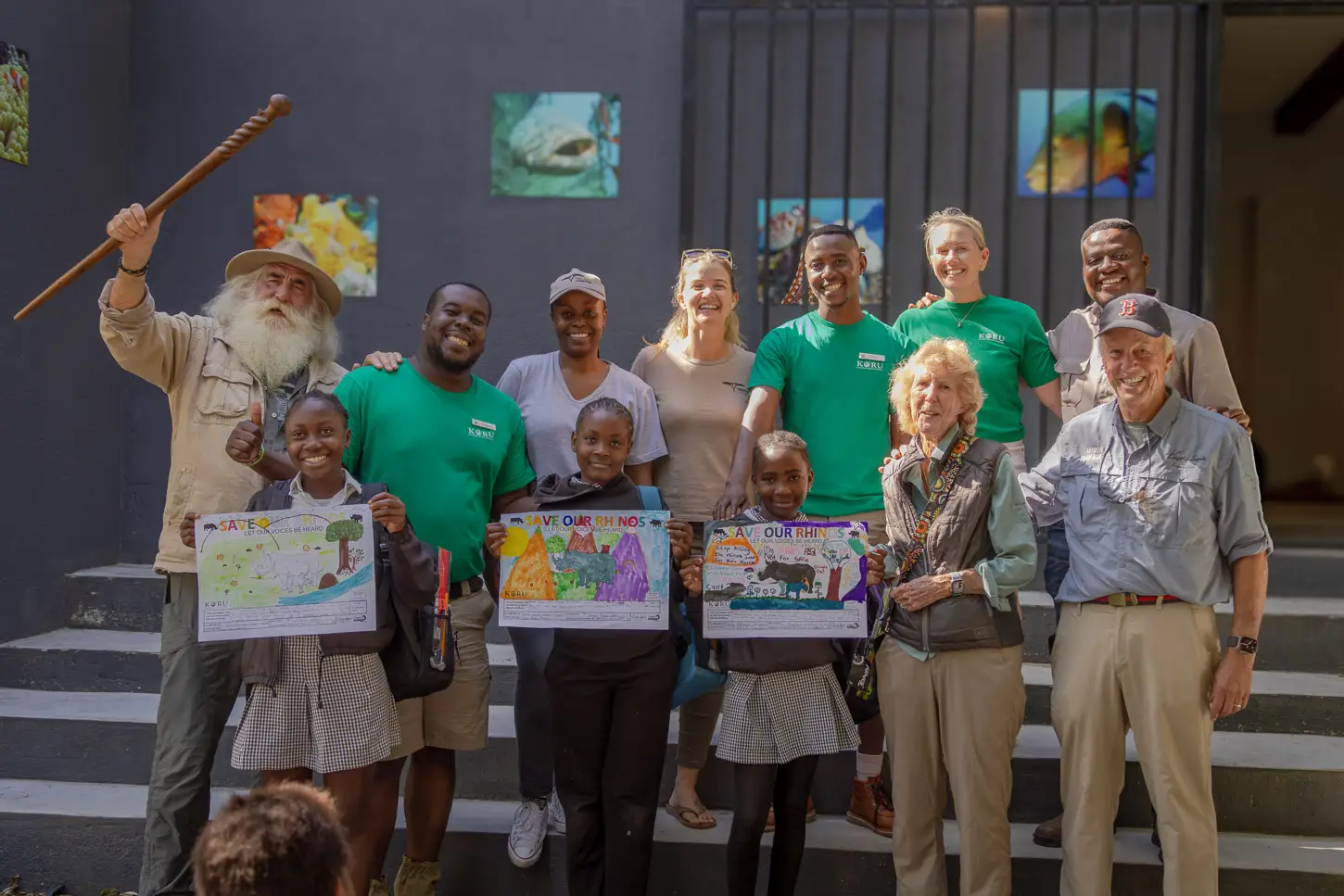
Soon it was time for the announcement everyone had been waiting for. Applause rang out as the three winners – all talented young girls – were revealed. Each received a goodie backpack filled with water bottles, caps, coloured pens, socks, and a Rubik’s Cube, generously provided by the three participating organisations.
Yet the real success of the day went far beyond the prizes. Events like Rhino Art only happen through collaboration. Bringing together educators, conservation organisations, and community partners creates new opportunities to support our aligned missions. By combining resources, time, and expertise, the day became a shared space for learning, creativity, and connection.
Art offers young people a powerful way to express their thoughts and ask questions. It encourages them to engage with conservation in a way that feels personal, meaningful, and accessible. Most importantly, it gives them the confidence to speak up. In just one morning, thirty-six young voices found a platform. And together, they carried a clear message: the future of rhinos matters.